Tattle Tails - Toxins - Household Items
"What greater gift than the love of a cat"
Charles Dickens
Tattle Tails
My Three Cats Bury's weekly blog
Toxicities - Household
Hi cat fans!
Jen here for the weekly blog post from My Three Cats - Bury, premium cat sitter.
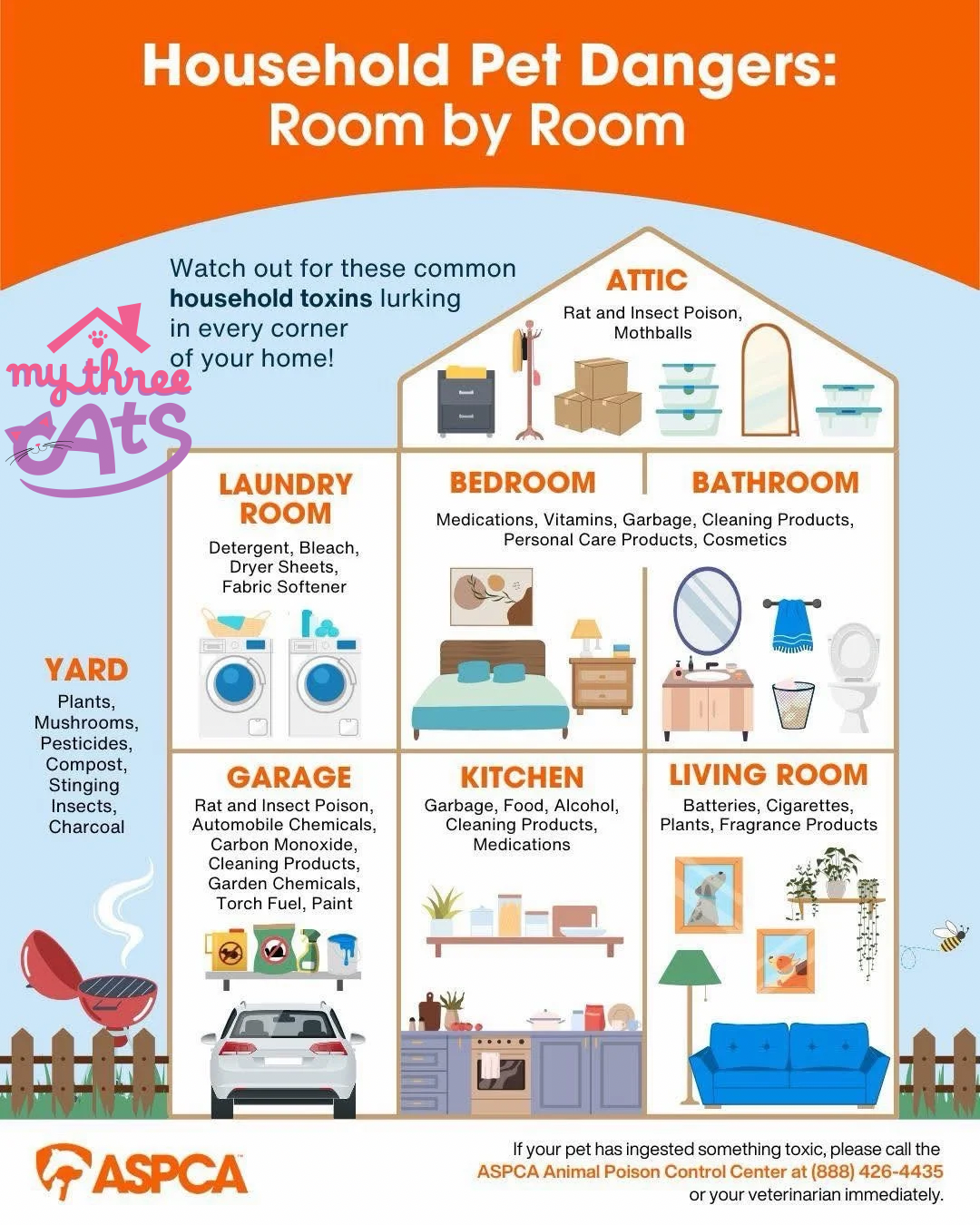
Thanks to the ASPCA website for this wonderful diagram to show some items that can be harmful to our feline family members, and friends!
Following on from last week's post about dangerous plants it is surprising how many things in our every day lives can cause illness or irritation to cats. Just like us they may have reactions to things you wouldn't expect.
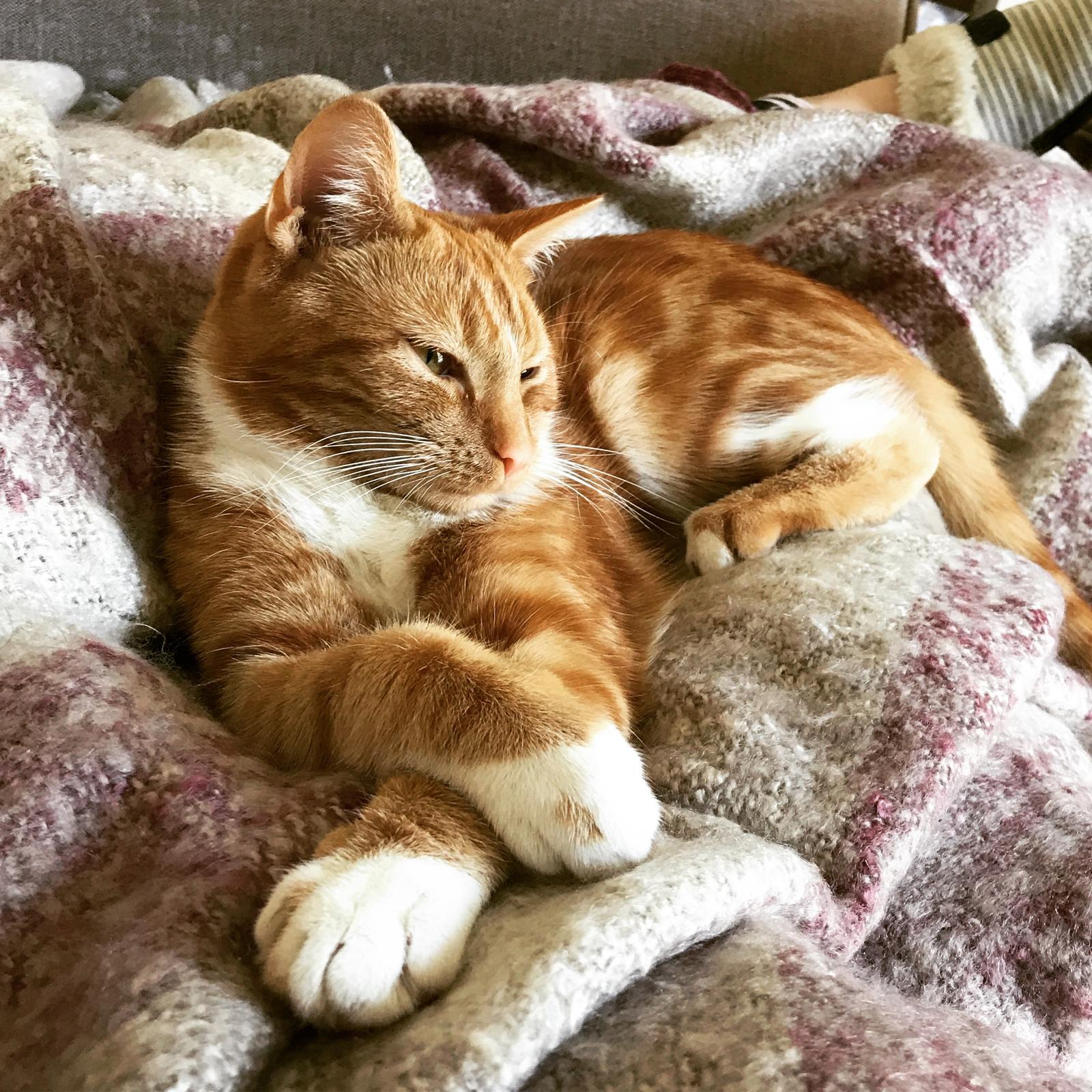
When my Chester (pictured as he's a handsome ginge, and who doesn't love a ginger kitty?!) got diagnosed with Asthma about 10 years ago he was coughing, was sick on occasion, had a concerning lung pattern on x-rays, and his respiratory rate was increased, even at rest (something to always monitor and investigate with our kitties). I realised he would have episodes when aerosols or aerated liquids were used, deodorant specifically or perfumes. I trialled stopping use of aerosols and he stopped requiring the use of his inhaler after a little time and I've not had to use one in years. As we would for ourselves, it's crucial to be aware of what surrounds us and our kitties and what could potentially cause harm or illness. As you can see from the diagram above it's quite a lot. Any product changes in the house or noting of occurrences and what preceded it can be crucial to diagnoses.
⚠️Anti-Freeze (Ethylene Glycol)⚠️
A well known toxin, apparently sweet tasting and easily disguised, and although we won't be using it for our cars (hopefully) for some time if it's in your shed/garden/place a cat can get to then there is still risk, even if a small amount has got on to something (like a shoe) and the cat licks this (I say a shoe as my cats are all shoe hunters and will play with them!).
Like many toxicities initial clinical signs will include vomiting, lethargy/dull demeanour, hypersalivation, progressing to increased heart rate, being very wobbly (ataxic), increased drinking and urinating and further depression.
There are antidotes to reduce the risk of fatal kidney injury however this is time sensitive due to the swift absorption and metabolisation of ethylene glycol in cats. The byproducts of this metabolisation are what progresses the toxicity and possible fatality.
It is crucial to seek veterinary treatment immediately if you suspect your cat has ingested ethylene glycol.
⚠️Paracetamol⚠️
Highly toxic to cats a single tablet can cause serious illness. Cannon (2018) notes that 50mg/kg is the toxic dose, and as many tablets are 200mg or more this is definitely something we want to keep away from our kitties, and avoid giving in error.
Clinical signs can present within a couple of hours and advance to severe ones showing pallor with either blue gums or muddy brown in colour.
Initial signs include weakness, dull demeanour, increased heart rate and respiration rate, and facial swelling can sometimes be observed. As toxicity increase the blood is affected further and red blood cells specifically resulting in anaemia.
If your cat ingests paracetamol and it's within a couple of hours vomiting can be induced but post 4 hours it's unlikely to affect prognosis.
❗Permithrin❗
An insecticide commonly found in over the counter canine flea treatments, also scabies and crab mites treatments. If you have a dog and your cat likes to groom them or they nudge each other a little ingestion of this can cause neurological issues.
Due to metabolisation being less swift than other toxins clinical signs may not present for a day or two, therefore it's important to monitor any use of items containing this and act as swiftly as possible to reduce the seizure activity and associated changes (like hyperthermia).
If you know the part of the fur the permethrin has got on to then initial focus is to clean this area, clip the fur, and ensure there's no further ingestion.
If treated in a timely manner symptoms will commonly resolve within a few days, with residual ear and facial twitching lasting up to a week.
❗Rodenticides❗
Unfortunately there have been cases reported where unscrupulous people will put these chemicals in to food to tempt our furry ones to eat them. It's unlikely a cat will eat some of this in the environment and most commonly they will experience toxicity through ingestion of rodents, doing what they like to do and hunt. Not fair, right!
Ingestion affects clotting factors in the blood, and generally if vomiting is induces
⚠️Things we eat ⚠️
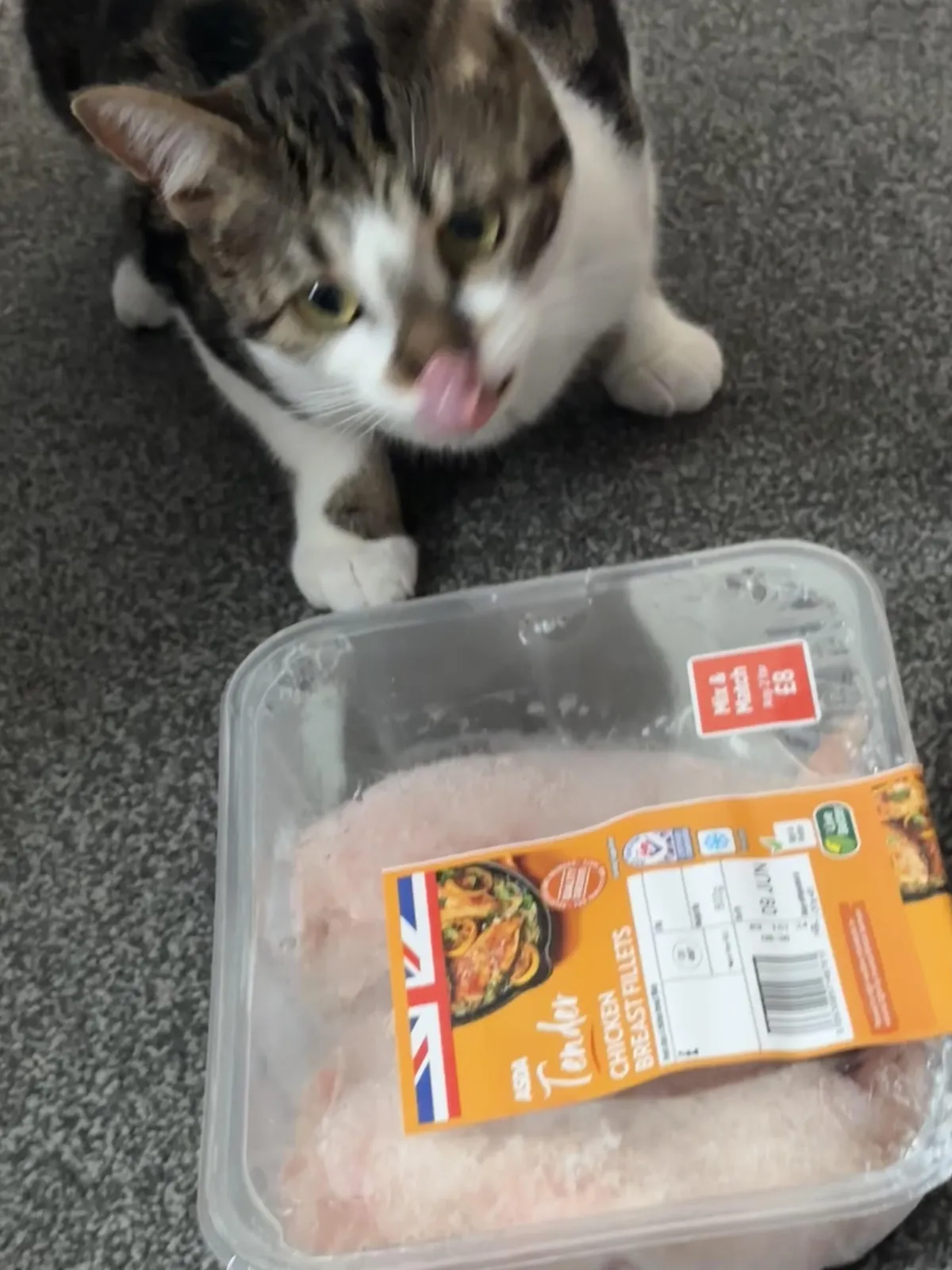
If your cat is anything like my Chester, again featured here as he's so in to everything, your kitty will want what you have, food wise! Kitties love flavouring and, again, crisps if like my Chester, and although this has some elements not ideal for our cats it'll possibly cause some tummy upsets, just as cheese and milk will due to the lactose content which they can't metabolise well.
Food stuffs we need to be mindful of:
❗Garlic and Onions
Concentrated garlic powder and puree should be avoided, and garlic is more potent and affects cats more than onions. All foods in this family are dangerous, including chives, leeks, and shallots.
Causing issues to red blood cells, similar to rodenticides and paracetamol anaemia can present if enough is ingested.
If your kitty gets to some dropped garlic mayo or similar the concentration levels aren't generally high enough to cause more than a tummy upset. If you're concerned about the content of anything ingestion your vet will be able to advise.
❗Grapes and Raisins
Seen more commonly with dogs grapes and raisin toxicity can also cause kidney issues with our cats.
❗Nuts
Macadamia nuts are considered to be those most toxic to cats although avoidance of all nuts is wise. This is due to the fat content within nuts and other potential issues such as obstruction.
⚠️Mould⚠️
If anyone remembers Top Cat cats are sometimes depicted as being scavengers around bins and wanting to get in to things! Whilst our kitties want to sniff out interesting smelling foodstuffs these can sometimes be mouldy, which is highly toxic to cats.
Termed mycotoxins ingestion of mouldy things can cause a variety of clinical signs including GI issues, neurological issues, and if spores have been sniffed then respiratory issues can occur.
If there's mould due to damp, black mould and just like us, cats can develop a cough, irritation, and other respiratory problems.
Clinical signs can present as anaemia, pancytopenia (due to mycotoxins affecting bone marrow), depression, and seizures (Glanemann et al, 2022).
As with all the other household items discussed it's important, no matter what has been ingested, to seek veterinary advice and treatment should it be indicated. Hoping your kitties never ingest any of the above and I hope the information is useful.
As always, if there is a topic you'd like me to discuss please reach out and let me know, or to ask about availability and bookings. You can reach me on01613077598, e-mail me at [email protected].uk or contact me via Facebook, Instagram, TikTok, or pop an enquiry through on our contact form.
Thank you for reading, and hope to be chatting with you soon.
Jen x
(plus Chester, Phoebe, and Mickey - my 3 kitties - it's co-incidence, or meant to be!)
Cannon, M. (2018). Toxins - common feline poisonings. In: Harvey, A., Tasker, S. (Ed).BSAVA Manual of Feline Medicine. Gloucester: BSAVA. p.141.
Glanemann, B., Humm, K, et al. (2022). An investigation into an outbreak of pancytopenia in cats in the United Kingdom,Journal of Veterinary Internal Medicine.
